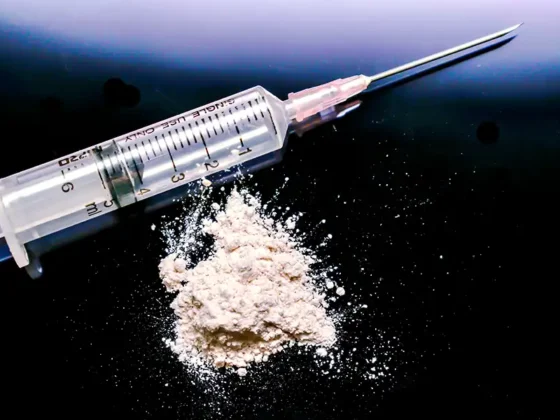
How addiction affects the brain is a question that changes everything when we truly understand the answer. How addiction affects the brain is not merely an interesting scientific fact — it is the key that transforms our understanding of addiction from a moral failing into a genuine brain disease that deserves real, compassionate treatment.
According to the National Institute on Drug Abuse, addiction is a chronic brain disease that produces actual structural and functional changes in the brain — changes visible through brain imaging technology. Therefore, understanding these changes helps people with addiction and their families approach the condition through the lens of science rather than shame and blame.
What Is the Normal Brain and How Does the Reward System Work?
Understanding how addiction affects the brain begins with understanding how the normal brain functions — specifically the reward system that every addictive substance targets without exception.
The brain has a natural reward system designed to encourage behaviors essential for survival, such as eating, social connection, and reproduction. When we engage in these activities, the brain releases dopamine in a region called the nucleus accumbens, creating feelings of pleasure and satisfaction.
What Happens When a Substance Enters the System?
Addictive substances release amounts of dopamine that are ten times or more what natural activities produce. Furthermore, they release it far more rapidly, making their impact on the brain significantly more powerful. Therefore, the brain registers this experience as the most important event it has ever encountered and begins reprogramming itself around it.
How Addiction Affects the Brain: The Core Changes
How addiction affects the brain manifests in four primary changes that disrupt the brain circuits responsible for reward, decision-making, impulse control, and memory.
Change One: Flooding the Brain With Dopamine
In the early stage, every use of the addictive substance floods the brain with dopamine and produces an exceptional sense of euphoria. Therefore, the brain records this feeling as a powerful memory and associates it with the substance and every accompanying trigger — places, people, smells.
Change Two: Declining Dopamine Sensitivity
With continued use, the brain adapts by reducing the number of dopamine receptors available. Furthermore, this adaptation means the brain requires increasingly larger amounts of the substance to achieve the same feeling. In addition, activities that previously produced pleasure become dull and unrewarding.
Change Three: Hijacking Memory and Learning Circuits
Addiction hijacks the brain’s memory and learning circuits and redirects them to serve the addiction. Therefore, the brain develops powerful memories of use-associated triggers, and these triggers continue to provoke intense cravings even years after stopping.
Change Four: Weakening the Prefrontal Cortex and Decision-Making
How addiction affects the brain most deeply becomes visible in the declining function of the prefrontal cortex — the region responsible for rational thinking, decision-making, and impulse control. Therefore, the person with addiction gradually loses their ability to make rational decisions about substance use even when they are fully aware of its devastating consequences.
How Addiction Affects the Brain Over the Long Term
How addiction affects the brain over the long term includes actual structural changes in the size and function of various brain regions that are visible on MRI scanning.
Changes in Gray Matter
Long-term addiction reduces gray matter volume in prefrontal regions responsible for judgment and decision-making. Furthermore, this reduction is directly linked to the impulse control difficulties that people with addiction experience.
Changes in Stress Circuits
Addiction produces changes in the brain’s stress circuits that make the person more sensitive to pressure and difficult situations. Therefore, what might once have been a manageable stressor becomes a powerful trigger for relapse in people in recovery.
Changes in Decision and Planning Circuits
In addition, addiction weakens the ability to plan for the future and consider long-term consequences. This explains why a person with addiction continues using despite full knowledge of the obvious harm it causes.
Are the Brain Changes Caused by Addiction Reversible?
How addiction affects the brain produces documented changes — but the good news is that the brain possesses a remarkable capacity for recovery and adaptation known as neuroplasticity.
What Recovers and What Takes Time?
- In the first weeks: Dopamine levels begin gradually returning to normal
- In the first months: Prefrontal cortex function and decision-making ability improve
- In the first year and beyond: Many brain circuits gradually return to healthy functioning
- Therefore, patience and sustained commitment to treatment give the brain the time it needs to heal
What Helps the Brain Recover?
- Stopping substance use: The first and most important step that halts the deterioration
- Regular physical exercise: Stimulates the growth of new brain cells and improves dopamine levels
- Adequate, regular sleep: Essential for the process of rebuilding brain circuits
- Psychological therapy: Helps build new, healthy neural pathways
- Furthermore, healthy nutrition and stress management accelerate brain recovery
Relife’s Role in Supporting Brain Recovery From Addiction
At Relife, we design our treatment programs with full consideration of the brain changes caused by addiction. Our treatment targets not only stopping substance use but actively helps the brain rebuild its healthy circuits through psychological therapy, medical support, and activities that stimulate neuroplasticity.
Frequently Asked Questions
Q: Does how addiction affects the brain differ from one substance to another?
How addiction affects the brain shares one core mechanism across all substances — the impact on the dopamine system — but the details differ. Therefore, some substances like stimulants release dopamine directly, while others like opioids work through different mechanisms. Furthermore, the duration and intensity of the impact vary by substance, which influences the treatment plan.
Q: Do the brain changes caused by addiction mean a person is unable to resist using?
No. The brain changes explain the difficulty of resistance but do not make it impossible. In addition, psychological and medical treatment help compensate for these changes and develop effective resistance strategies. Therefore, understanding how addiction affects the brain should motivate seeking help — not justify surrender.
Q: How long does the brain take to recover from the effects of addiction?
Brain recovery from the effects of addiction is a gradual process that takes months and sometimes years. Research indicates that most major improvements occur during the first year of recovery, but some brain circuits continue improving for years afterward. Therefore, patience and sustained commitment to the treatment plan are the true keys to lasting recovery.
Conclusion
How addiction affects the brain is an answer that transforms condemnation into understanding and punishment into treatment. Addiction is a genuine brain disease that causes real, documented changes — but the brain also possesses a remarkable capacity for recovery that makes returning to a healthy, normal life genuinely possible.
Therefore, treatment is not a luxury — it is a necessity that gives the brain the opportunity it needs to heal.
📞 Want to Understand What’s Happening in Your Brain or a Loved One’s?
At Relife, our specialized team is ready to explain everything you need to know and design a treatment plan that fully supports brain recovery. Contact us today.
Contact us today — because your brain is capable of healing.
📚 Scientific References:
- National Institute on Drug Abuse (NIDA) — Drugs and the Brain
- American Society of Addiction Medicine (ASAM) — Definition of Addiction
- World Health Organization (WHO) — Neuroscience of Psychoactive Substance Use