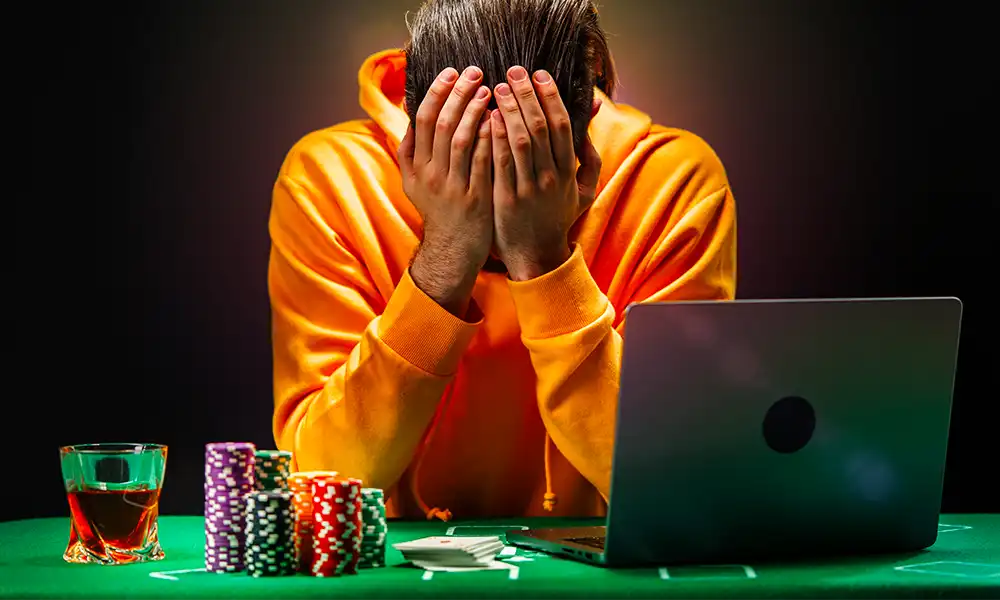
A small bet can begin as entertainment. Then a loss creates the urge to win the money back, or a win creates the belief that the next bet could be even bigger. Over time, gambling addiction can turn a recreational activity into a pattern that affects finances, relationships, work, and mental health.
Clinically, the condition is known as gambling disorder. It is recognized in the DSM-5-TR as a behavioral addiction, which means the problem is not simply poor discipline or weak willpower. A person may continue gambling despite serious consequences and repeated attempts to stop.
What Is Gambling Addiction?
Gambling addiction describes a persistent pattern of gambling that becomes difficult to control and increasingly takes priority over other areas of life. The World Health Organization describes gambling disorder in terms of impaired control, increasing priority given to gambling, and continued or escalating behavior despite negative consequences.
Gambling can include sports betting, casino games, online betting platforms, lotteries, and other activities in which money or something valuable is placed at risk in the hope of a larger return. The type of gambling matters less than the loss of control and the harm it causes.
What Are the Signs of Gambling Addiction?
Not everyone who places a bet has a disorder. The key question is whether gambling has started to control decisions, emotions, or daily life.
Common warning signs of gambling addiction may include:
- Thinking about gambling for long periods.
- Needing to bet larger amounts to feel the same level of excitement.
- Trying to cut down or stop but repeatedly failing.
- Chasing losses by gambling again to recover money.
- Hiding the extent of gambling or lying about losses.
- Borrowing money or using funds needed for essential expenses.
- Allowing gambling to damage work, study, or relationships.
- Returning to gambling after repeated attempts to stop.
A particularly important pattern is “chasing losses.” The person may believe one more bet can repair the financial damage already caused. Instead, the attempt to recover losses can deepen both the financial problem and gambling addiction itself.
Why Can Gambling Become Addictive?
There is no single cause. Biological, psychological, social, and environmental factors can all influence how gambling addiction develops.
One reason gambling can be difficult to stop is that rewards are unpredictable. A person does not know when a win will happen, and that uncertainty can keep the cycle going. Excitement, anticipation, near-misses, and memories of previous wins may all reinforce continued betting.
Some people also use gambling as a way to escape stress, loneliness, boredom, or emotional pain. In those cases, treatment needs to address not only the gambling behavior but also the feelings and situations that keep triggering it.
The Trap of Chasing Losses
Imagine losing money and thinking, “If I stop now, the loss becomes real.” That thought can create pressure to keep betting.
The problem is that a previous loss does not make the next bet more likely to succeed. When gambling addiction becomes established, the desire to recover money can override realistic decision-making and create a cycle of increasingly risky choices.
Is Gambling Addiction Only a Financial Problem?
No. Financial losses are often the most visible consequence, but gambling addiction can affect nearly every area of life.
The World Health Organization notes that gambling-related harm can include financial distress, relationship breakdown, mental health problems, family violence, and wider social consequences. WHO also reports that gambling disorder affects an estimated 1.2% of adults globally.
A person may become isolated, hide debts, miss work, avoid family members, or experience intense guilt and shame. These consequences can make it harder to speak openly about the problem, which is one reason early support matters.
Gambling Addiction and Mental Health
Gambling addiction can occur alongside depression, anxiety, substance use disorders, and other mental health difficulties. Sometimes gambling becomes a way to escape distress; in other cases, the consequences of gambling create or intensify psychological pressure.
Gambling disorder is also associated with an increased risk of suicidal thoughts and behaviors. Any statement about self-harm, hopelessness, or feeling that there is “no way out” should be treated as urgent and requires immediate professional support.
This is why assessment should look beyond money. Effective treatment considers mood, stress, substance use, family relationships, sleep, and the circumstances that trigger gambling.
How Is Gambling Addiction Treated?
Treatment for gambling addiction focuses on restoring control, reducing harm, and understanding the thoughts and emotions that drive the behavior. A treatment plan may combine psychological therapy, practical financial safeguards, family support, and treatment for co-occurring mental health conditions.
Cognitive Behavioral Therapy
Cognitive behavioral therapy, or CBT, is one of the psychological approaches used for gambling-related harm. NICE guidance recommends evidence-based psychological interventions, including CBT, for people experiencing harmful gambling or gambling disorder.
CBT can help a person identify thoughts such as:
- “I am due for a win.”
- “I have to get my money back.”
- “One more bet will fix everything.”
Therapy then helps examine these beliefs, understand gambling triggers, and build alternative responses. For many people with gambling addiction, changing the thinking that fuels the behavior is as important as reducing access to betting.
Limit Access to Gambling and Money
Practical barriers can be useful, especially in the early stages of recovery. Depending on the situation, this may include closing betting accounts, using self-exclusion tools, limiting access to credit, blocking gambling transactions, or asking a trusted person to help manage money temporarily.
These steps reduce immediate opportunity, but they work best as part of a broader plan. Restricting access alone does not necessarily address the emotional or psychological drivers of gambling addiction.
Identify Emotional Triggers
Pay attention to when the urge to gamble becomes strongest. Does it appear after an argument? During boredom? After receiving money? While watching a football match? When feeling anxious or lonely?
Recognizing these patterns allows a person to build a different response. The goal is to interrupt the automatic link between a trigger and a bet.
How Can Families Help?
Families often experience anger, fear, and frustration, especially after discovering hidden debts or repeated dishonesty. Those reactions are understandable, but humiliation and aggressive confrontation rarely solve gambling addiction.
Families can help by setting clear financial boundaries, refusing to fund further gambling, protecting shared finances, and encouraging professional treatment. It may also be useful for family members to receive support themselves, especially when trust has been damaged.
Supporting recovery does not mean removing every consequence. It means helping the person move toward treatment while protecting the family from further harm.
When Should You Seek Professional Help?
You do not need to wait for financial disaster before asking for help with gambling addiction.
Consider professional support if you:
- Have tried to stop several times but keep returning to gambling.
- Borrow money or hide financial losses.
- Notice gambling affecting your job, study, or relationships.
- Use gambling to escape difficult emotions.
- Feel compelled to recover losses at any cost.
- Experience severe anxiety, depression, or hopelessness because of gambling.
Earlier intervention can reduce financial, psychological, and relationship damage. It can also make it easier to rebuild routines and address the problems underneath the behavior.
Frequently Asked Questions About Gambling Addiction
Is gambling addiction a mental health disorder?
Yes. The clinical diagnosis is gambling disorder, which is recognized in the DSM-5-TR as a behavioral addiction. Gambling addiction is the commonly used term people often search for when describing the same pattern of loss of control and harm.
Can gambling addiction be treated successfully?
Yes. Many people can make substantial progress and stop gambling with appropriate treatment and support. Recovery usually involves understanding triggers, changing unhelpful beliefs, restricting access to gambling, and developing healthier ways to manage stress and emotions.
Can someone stop without professional treatment?
Some people may benefit from self-help strategies, but professional assessment becomes particularly important when gambling addiction continues despite attempts to stop or causes significant financial, psychological, or family harm.
Recovery Starts When You Stop Chasing the Loss
One of the hardest parts of gambling addiction is the belief that another bet might solve the damage caused by the previous ones. Recovery begins when the goal changes from winning the money back to regaining control of your life.
If gambling is affecting your finances, decisions, relationships, or mental health, speaking with a behavioral health professional can help you understand the pattern and build a structured treatment plan. At Relife, support starts with understanding the psychological and behavioral factors behind the problem without stigma or judgment.