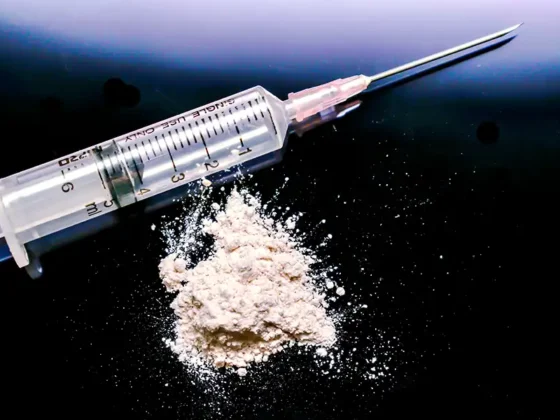
Cocaine addiction is one of the most dangerous and destructive forms of addiction affecting health and life simultaneously. Cocaine addiction develops with remarkable speed, given cocaine’s nature as a powerful stimulant that produces an exceptional feeling of energy and confidence — followed by an acute crash that immediately drives the person to use again in an unending cycle.
According to the United Nations Office on Drugs and Crime, more than 20 million people worldwide use cocaine. Therefore, understanding the nature of cocaine addiction, its symptoms, its risks, and its treatment options is critically important for every person struggling with it and every family navigating this experience.
What Is Cocaine Addiction and How Does It Work?
Cocaine addiction is a psychological and physical dependence on the stimulant cocaine, characterized by an intense compulsive drive to use and an inability to control consumption despite full awareness of its devastating consequences on health and life. Cocaine is classified among the most addictive stimulants because it releases massive amounts of dopamine with extraordinary speed.
How Does Cocaine Affect the Brain?
Cocaine works by blocking the reabsorption of dopamine, keeping it in the synapse between nerve cells and producing an immediate sensation of energy, confidence, and sharp focus. Furthermore, this effect is short-lived compared to other substances, which drives the user to rapidly repeat the dose. Therefore, doses escalate quickly and addiction forms faster than with many other substances.
Symptoms of Cocaine Addiction
Cocaine addiction symptoms are divided into those appearing during use, those following use, and withdrawal symptoms — each group carrying its own distinctive effects on the body and behavior.
Symptoms During Use
- Intense feelings of energy and activity and exaggerated self-confidence
- Noticeably accelerated speech, thinking, and movement
- Severely dilated pupils even in good lighting
- Significant loss of appetite and reduced need for sleep
- Sharp elevation in blood pressure and heart rate
- Furthermore, red and irritated nostrils in cases of snorting
Post-Use Symptoms (The Crash)
When cocaine’s effects wear off, the person experiences an acute crash including:
- Intense exhaustion and an overwhelming urge to sleep
- Severe depression and feelings of profound emptiness
- Intense irritability and agitation without apparent cause
- Therefore, this crash is the primary driver of immediate re-use
Cocaine Addiction Withdrawal Symptoms
- Severe, persistent depression that can last for weeks
- Deep physical and psychological exhaustion with difficulty performing daily tasks
- Furthermore, extremely intense cravings — among the most acute of any withdrawal
- Severe sleep disturbances alternating between excessive sleep and severe insomnia
Health Risks of Cocaine Addiction
Cocaine addiction causes extremely serious health damage extending from the heart and cardiovascular system to the brain, lungs, and nervous system — some of which pose a direct and immediate threat to life.
Cardiovascular Risks
Cocaine is the leading cause of drug-related heart attacks. Therefore, even a single dose can trigger a heart attack in a young person who appears externally healthy. The risks include:
- Acute heart attacks and sudden strokes
- Cerebrovascular spasms causing permanent damage
- Dangerous cardiac arrhythmias
- Furthermore, aortic aneurysm and rupture in severe cases
Respiratory and Nasal Risks
- Destruction of cartilage and nasal tissue from repeated snorting
- In severe cases, complete perforation of the nasal septum
- Furthermore, acute lung disease in cases of smoking cocaine
Psychological Risks
- Cocaine psychosis: hallucinations and delusions resembling schizophrenia occurring with heavy use
- Severe anxiety and recurring panic attacks
- Therefore, the intense depression of withdrawal significantly elevates the risk of suicidal ideation
Treatment Options for Cocaine Addiction
Treating cocaine addiction relies primarily on specialized psychological therapy — given the absence of an approved substitute medication as exists for opioids — making the psychological and behavioral dimension the cornerstone of treatment.
First: Medical Management of Withdrawal
Although cocaine withdrawal is less physically dangerous than alcohol or opioid withdrawal, it still requires medical supervision because of:
- The severity of depression accompanying withdrawal and the risk of suicidal thoughts
- The profound physical exhaustion that needs care and support
- Therefore, medical supervision ensures safety and reduces the risk of immediate relapse
Second: Cognitive Behavioral Therapy for Cocaine Addiction
CBT is the most effective treatment for cocaine addiction and targets:
- Identifying triggers and situations that activate the urge to use
- Developing alternative strategies for managing these situations without cocaine
- Changing thought patterns associated with use and relapse
- Furthermore, building skills to manage depression and anxiety without substances
Third: Contingency Management Programs
Contingency management is one of the most evidence-supported approaches for cocaine addiction treatment. In addition, it relies on rewarding abstinence from substance use through tangible incentives that reinforce positive behavior and motivate continued recovery.
Fourth: Group Therapy and Support Groups
- Group therapy sessions with people sharing the same experience
- Joining Narcotics Anonymous (NA)
- Therefore, building a healthy social support network that reduces the isolation of recovery
Relife’s Role in Treating Cocaine Addiction
At Relife, we offer comprehensive cocaine addiction treatment programs including full medical and psychological assessment, withdrawal management, specialized cognitive behavioral therapy, rehabilitation programs, and sustainable aftercare. Furthermore, our specialized team understands the unique nature of cocaine addiction and designs a fully customized treatment plan for each individual case.
Frequently Asked Questions
Q: Is cocaine addiction more dangerous than other drug addictions?
Cocaine addiction carries unique cardiovascular risks that make it particularly dangerous even with occasional use. Therefore, while no drug is “safe,” cocaine stands out for the speed of addiction development, the severity of depression during withdrawal, and acute heart risks. Furthermore, the variable quality of street cocaine adds an additional danger from adulterants.
Q: Is there an approved medication for treating cocaine addiction?
Currently, no officially approved substitute medication for cocaine addiction exists as it does for opioids. Therefore, psychological therapy — especially CBT and contingency management — forms the primary pillar of treatment. Furthermore, some medications are used to manage depression and anxiety symptoms accompanying the withdrawal period under medical supervision.
Q: How long does cocaine addiction treatment take before normal life returns?
Recovery from cocaine addiction is a gradual process that varies from person to person. Therefore, the acute withdrawal phase typically lasts one to two weeks, but cravings and psychological symptoms can persist for months. Furthermore, psychological therapy and rehabilitation require at least six months to produce sustainable results.
Conclusion
Cocaine addiction is a serious disease — but it is treatable. Therefore, recovery is possible for every person with the right treatment approach and appropriate specialized support. The first and most important step is seeking specialized help without delay, because cocaine addiction does not stabilize on its own.
Therefore, every day of postponement carries a real cost — one that can be avoided with a single courageous step.
📞 Struggling With Cocaine Addiction or Know Someone Who Is?
At Relife, our specialized team is available now to provide a comprehensive assessment and design a safe, effective treatment plan in complete confidence. Contact us today.
Contact us today — because recovery is possible and the first step is yours to take.
📚 Scientific References:
- National Institute on Drug Abuse (NIDA) — Cocaine DrugFacts
- United Nations Office on Drugs and Crime (UNODC) — World Drug Report
- Substance Abuse and Mental Health Services Administration (SAMHSA) — Stimulant Treatment