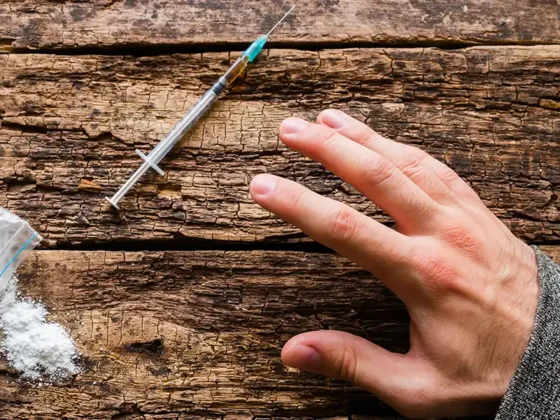
Physical health and recovery from addiction are two sides of the same coin that cannot be separated. Physical health and recovery directly influence each other — a body that receives proper care supports the brain in recovering faster and more deeply, while neglecting physical health impedes psychological recovery and significantly raises the risk of relapse.
Years of addiction leave real physical consequences on nearly every system in the body. Therefore, the recovery phase is not only about stopping substance use — it is also about rebuilding a body capable of sustaining a healthy and fulfilling life.
What Does Addiction Do to Your Body?
Physical health and recovery begin with understanding the damage addiction has caused, because this understanding defines treatment priorities and helps create a realistic, effective physical recovery plan.
The Nervous System and Brain
Addiction produces real changes in brain chemistry that take months to begin returning to normal. Therefore, in the early weeks and months of recovery, the body goes through mood fluctuations, concentration difficulties, and disrupted sleep patterns — all signs that the brain is actively rebuilding itself.
The Liver and Digestive System
Alcohol and substances place particular strain on the liver. Furthermore, the poor nutrition that accompanies addiction worsens the state of the digestive system and causes severe deficiencies in essential vitamins and minerals.
The Immune System
Addiction weakens the immune system significantly, making the body more vulnerable to infections and illness. In addition, neglected sleep, nutrition, and personal hygiene during addiction compound this weakness substantially.
The Heart and Circulatory System
Many substances place acute stress on the heart and blood vessels. Therefore, elevated blood pressure, accelerated heart rate, and weakened cardiac muscle are all complications that recovery needs to address through specialized medical care.
Physical Health and Recovery: Rebuilding Strategies
Physical health and recovery require a comprehensive practical plan combining healthy nutrition, physical activity, quality sleep, and regular medical care in an integrated, consistent approach.
First: Proper Nutrition as the Foundation of Physical Recovery
Proper nutrition is the first pillar of physical health and recovery because the body needs real building materials to repair the damage addiction caused to its tissues and organs.
- Adequate protein: Essential for tissue repair and the production of neurotransmitters like serotonin and dopamine
- Complex carbohydrates: Provide stable energy and help regulate mood
- Healthy fats: Omega-3 found in fish is essential for brain health and accelerating its recovery
- Vitamins and minerals: Especially B-complex vitamins, magnesium, and zinc depleted by addiction
- Therefore, three regular meals daily with healthy snacks regulates blood sugar levels and improves mood stability
Second: Exercise and Physical Activity as Medicine
Exercise during physical health and recovery is not a luxury — it is a scientifically documented real treatment that stimulates the same reward circuits in the brain that substances targeted.
Regular exercise achieves the following during recovery:
- Stimulates natural dopamine and serotonin production in a sustainable way
- Reduces anxiety and depression with scientifically proven effectiveness comparable to some medications
- Significantly improves sleep quality, particularly during the first months
- Reduces cravings by redirecting attention and channeling energy positively
- Furthermore, builds a structured daily routine that gives life clear shape and purpose
How to Start Safely
- Begin with 20-30 minutes of daily walking and increase gradually
- Choose an activity you genuinely enjoy to ensure consistency
- Therefore, team sports add social value that further enhances recovery
- Consult your doctor before beginning, especially if you have cardiac concerns
Third: Quality Sleep as a Core Healing Factor
Quality sleep during physical health and recovery is the time when the brain accomplishes a significant portion of its repair and chemical rebalancing — making it one of the most important investments in recovery.
Sleep disturbances are very common in early recovery. Furthermore, many people in recovery experience severe insomnia, excessive sleep, or recurring nightmares. Therefore, healthy sleep strategies are essential:
- Fixed sleep and wake times every day, including rest days
- No screens for a full hour before sleep
- A comfortable, dark, and quiet sleep environment
- No caffeine after 2:00 PM
- Furthermore, relaxation techniques like deep breathing help with falling asleep
Fourth: Regular Medical Care
Physical health and recovery require regular medical follow-up that diagnoses and treats the damage addiction caused before it develops into larger problems.
Essential medical checks during recovery include:
- Comprehensive liver function tests, especially for hepatitis B and C
- Cardiac and cardiovascular assessment
- Dental health — frequently neglected despite its importance
- Therefore, regular mental health assessment with monitoring for depression and anxiety
- Furthermore, comprehensive blood tests to identify vitamin and mineral deficiencies
Fifth: Physical Health and Recovery Through Mindfulness
Mindfulness supports both physical health and recovery by:
- Reducing cortisol and stress hormone levels
- Improving sleep quality and reducing chronic insomnia
- Furthermore, improving body awareness and recognition of its genuine health needs
Suggested Daily Schedule for Physical Health and Recovery
| Time | Activity |
|---|---|
| 7:00 AM | Wake up + water + healthy breakfast |
| 8:00 AM | 30-minute exercise or walk |
| 12:00 PM | Balanced lunch + short rest |
| 3:00 PM | Healthy snack + quiet activity |
| 7:00 PM | Light dinner + social time |
| 9:00 PM | Screens off + relaxation techniques |
| 10:30 PM | Sleep |
Relife’s Role in Supporting Physical Health and Recovery
At Relife, we design our treatment programs with full consideration of physical health and recovery. Therefore, our team includes physicians, nutrition specialists, and psychological therapists who work together to support the recovery of body and mind simultaneously.
Frequently Asked Questions
Q: How long does the body take to physically recover from addiction?
Physical health and recovery is a gradual process that varies by substance type, duration of addiction, and the person’s age. Therefore, some organs like the liver begin improving within weeks of stopping, while the brain takes months and sometimes years. Furthermore, good nutrition and exercise significantly accelerate the physical recovery process.
Q: Is intense exercise better than light activity during recovery?
Physical health and recovery don’t require intense exercise. Furthermore, starting with regular walking and moderate activities produces excellent results without exhausting a body still in the healing phase. Therefore, consistency and regularity matter far more than intensity at this stage.
Q: Are dietary supplements necessary during physical recovery?
Supplements can support physical health and recovery in cases of documented deficiency confirmed by blood tests. Therefore, they should not be taken randomly but based on a clear medical recommendation. Furthermore, a balanced diet from natural food is more effective over the long term than individual supplements alone.
Conclusion
Physical health and recovery is a journey worth every effort you invest in it. Every healthy meal, every exercise session, and every night of quality sleep is a real investment in a stronger body and more sustainable recovery.
Therefore, start with one small step today — because every step builds on the last and brings you closer to the life you deserve.
📞 Want Support on Your Physical Health and Recovery Journey?
At Relife, we offer comprehensive programs supporting your physical and psychological recovery together. Contact us today for a personalized plan suited to your situation.
Contact us today — because your body is capable of renewal and healing.
📚 Scientific References:
- National Institute on Drug Abuse (NIDA) — Treatment and Recovery
- Substance Abuse and Mental Health Services Administration (SAMHSA) — Recovery and Wellness
- American Journal of Psychiatry — Exercise and Addiction Recovery