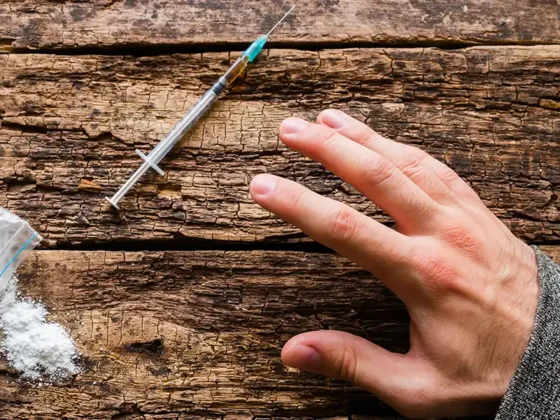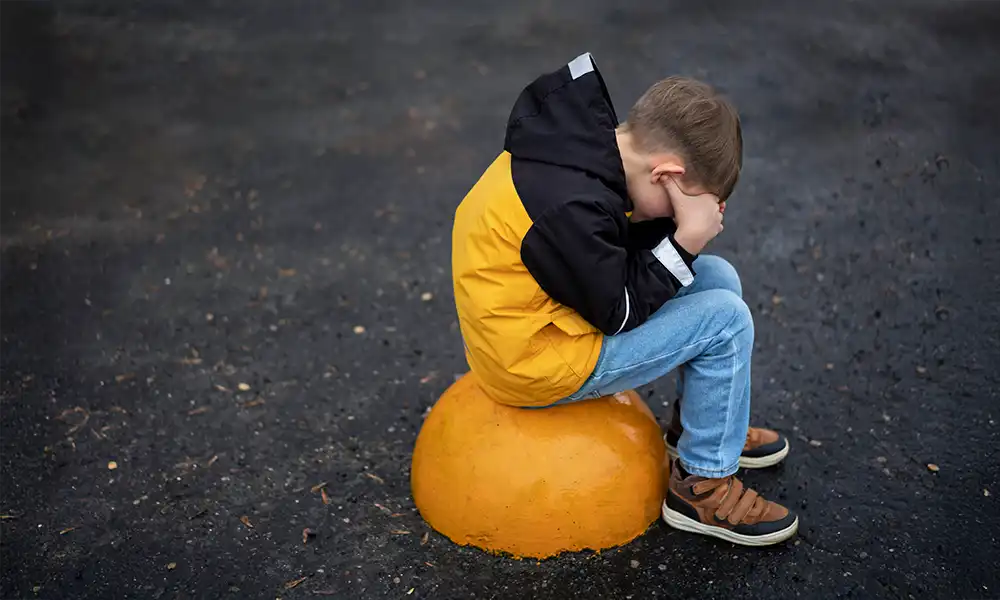
Children of addicts carry a heavy burden they didn’t choose and don’t deserve. Children of addicts live in environments of instability, fear, and confusion that leave deep marks on their psychological health and emotional and social development — marks that can extend for decades if left unaddressed.
According to SAMHSA reports, more than eight million children in the United States alone live with a parent who has addiction. Therefore, understanding the impact of addiction on children of addicts and how to protect and support them is both a moral responsibility and an urgent health necessity.
How Does Addiction Affect Children of Addicts?
Children of addicts experience deep psychological, emotional, and behavioral effects resulting from living in an unstable environment characterized by unpredictability, fear, and emotional chaos.
Direct Psychological Effects
- Chronic anxiety and persistent fear: The child lives in a constant state of alert, never knowing when a parent’s mood will shift
- Depression and profound sadness: Grieving the parent they once had and the childhood that has slipped away
- Guilt: Many children of addicts mistakenly believe their parent’s addiction is their fault
- Low self-esteem: Negative messages — implicit and explicit — damage the child’s self-image
- Furthermore, social shame and painful secrecy from hiding what happens at home from friends
Effects on Emotional and Social Development
Children of addicts frequently develop unhealthy coping adaptations:
- Age-inappropriate roles: Taking on the role of parent or caregiver for siblings or even the addicted parent
- Difficulty trusting others: Repeated broken promises and disappointments deeply weaken the capacity for trust
- Difficulty expressing feelings: Learning to suppress and conceal emotions as a survival mechanism
- Therefore, difficulty building healthy relationships in adulthood due to unhealthy relationship models absorbed in childhood
Academic and Behavioral Effects
- Difficulty concentrating and achieving academically due to chronic anxiety
- Behavioral problems at school as a response to home pressure
- Furthermore, elevated risk of substance use in adolescence due to early exposure and negative role models
Children of Addicts: The Four Adaptive Roles
Children of addicts typically adopt one of four adaptive roles in response to household chaos — understanding these roles helps identify which child needs specialized support.
Role One: The Family Hero
The eldest child often takes on responsibilities beyond their age and attempts to compensate for family problems through achievement and excellence. Therefore, they appear successful on the surface but carry enormous internal psychological pressure.
Role Two: The Scapegoat
A child who draws negative attention through behavioral problems as an unconscious response to the home situation. Furthermore, this child is frequently diagnosed with behavioral issues without addressing the actual cause.
Role Three: The Lost Child
A child who withdraws and becomes invisible, passing unnoticed. In addition, they develop a rich private inner world and avoid drawing attention to avoid causing further problems.
Role Four: The Family Mascot
A child who uses humor and playfulness to defuse family tension. Therefore, they hide their real pain behind laughter and rarely receive the support they genuinely need.
How to Protect and Support Children of Addicts
Protecting and supporting children of addicts requires effective intervention from family, specialists, and schools together to provide a safe environment that compensates for some of the damage and builds the child’s capacity for resilience.
First: Honest, Age-Appropriate Conversations
Children of addicts need clear truth in language appropriate to their age. Therefore, explaining that addiction is a disease — not a choice and not something caused by them — removes much of the shame and guilt. You can say:
- “Your parent is sick and needs help”
- “What’s happening is not your fault and you are not responsible”
- “I am here for you and I will always protect you”
Second: Providing a Safe, Trustworthy Adult
Children of addicts need at least one reliable adult in their lives. Furthermore, this person might be a grandparent, aunt, uncle, teacher, or school counselor. Therefore, even a single safe relationship makes a significant difference in a child’s developmental trajectory.
Third: Specialized Psychological Support for the Child
Children of addicts benefit significantly from:
- Individual therapy sessions with a child specialist
- Support groups for children such as Alateen, designed specifically for children of people with addiction
- Art and play therapy which gives children a safe way to express their feelings
- Furthermore, early intervention significantly reduces long-term effects
Fourth: Maintaining Routine and Stability
Regular routine is the substitute for the stability that children of addicts lack at home. Therefore, consistent times for sleep, meals, school, and activities give the child a sense of security and predictability.
Fifth: Building Resilience Skills
- Teaching the child to name and express their feelings in healthy ways
- Building their self-confidence through realistic, age-appropriate achievements
- Furthermore, teaching them that addiction is a disease — not a verdict on their identity or their future
Children of Addicts and the Future Risk of Addiction
Children of addicts are more vulnerable to developing addiction in the future due to genetic and environmental factors — but this risk is not an inevitable fate and can be significantly reduced through early intervention and appropriate support.
Therefore, understanding this elevated risk makes early preventive intervention a genuine priority, not a choice. Furthermore, children who receive specialized psychological support and have a safe relationship with a trusted adult develop the resilience that protects them from sliding toward addiction.
Relife’s Role in Supporting Children of Addicts
At Relife, we recognize that treating the addicted parent alone is not enough if it is not accompanied by support for their children. Therefore, we offer specialized support programs for children of addicts including individual and group therapy sessions and family counseling that helps the entire family recover together.
Frequently Asked Questions
Q: At what age does addiction begin affecting children of addicts?
The impact of addiction on children of addicts begins from infancy — and even before birth in cases of addiction during pregnancy. Therefore, infants sense stress and anxiety in unsafe environments even before they understand what is happening. Furthermore, each developmental stage has its own specific effects that require an appropriately tailored response.
Q: Can children of addicts heal psychologically and grow up in good health?
Yes — many children of addicts grow up to live healthy, productive, and fulfilling lives. Furthermore, research confirms that early psychological support and a safe relationship with a trusted adult are the most important factors in building resilience and moving beyond the damage. Therefore, it’s not about avoiding scars — it’s about developing healthy tools for living with them.
Q: How do I talk to my child’s teacher about our family situation without harming my child?
Speaking with the teacher in general terms — that the child is going through family pressures, without sharing sensitive details — is the right approach. Therefore, an aware teacher provides additional support to the child without stigmatizing them. Furthermore, speaking with the school psychologist is the best option as they are bound by professional confidentiality.
Conclusion
Children of addicts deserve a real chance at a safe childhood and a healthy future. Acknowledging the impact of addiction on them and working to support them with specialized care is the deepest responsibility we carry toward them.
Therefore, every step we take toward treating addiction is also a step toward protecting our children and their futures.
📞 Need Support for Your Children During the Recovery Journey?
At Relife, we offer specialized programs supporting children of addicts and their families. Contact us today for a comprehensive assessment session.
Contact us today — because your children deserve support too.
📚 Scientific References:
- Substance Abuse and Mental Health Services Administration (SAMHSA) — Children of Substance Abusers
- National Institute on Drug Abuse (NIDA) — Family and Addiction
- Alateen — Support for Teens with Addicted Parents